AGP Executive Report
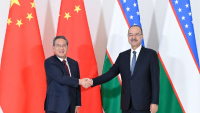
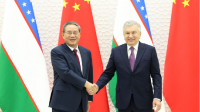
Last update: 3 hours agoGreen Cooperation: China and Uzbekistan pledged to deepen work on the green economy and modern agriculture during Premier Li Qiang’s visit. Separately, Uzbekistan and the Asian Infrastructure Investment Bank discussed water-supply projects, while an Islamic Development Bank deal aims to expand farmers’ access to climate-smart machinery and improve resource efficiency. Aral Sea: A new programme at the Aral School in Nukus will explore climate and landscape, drawing on local knowledge and adaptation in a region transformed by decades of water diversion. Regional Climate: Central Asian countries discussed the circular economy, climate and investment in Dushanbe. Tajik glacier research presented in Almaty also highlighted how long-term monitoring can support water-security planning across the region. Nature & Restoration: Uzbekistan’s leaders joined biodiversity events in Yerevan, while an India-inspired “Carbon Garden” is taking root in Samarkand.
Note: AI summary from news headlines; neutral sources weighted more to help reduce bias in the result. Feedback is welcome. Please let us know if you have any comments or suggestions about the AGP Executive Report.

 Perspectify News